How to Rebrand Your Business (Step-by-Step Guide)

Rebranding isn’t about “looking better”.
It’s about realigning your business with where you’re going next — higher-value customers, clearer positioning, stronger trust, and long-term growth.
Most business owners rebrand too late.They wait until sales slow, competitors catch up, or their brand starts to feel… embarrassing.
This guide walks you through a proven, end-to-end rebranding process — from audit to launch — so you don’t just redesign your logo, but build a brand that actually works.
Step 1: Brand Audit — Know What’s Broken (and What’s Not)
Before changing anything, you need clarity.
A proper brand audit looks at your business from the outside, the way customers actually experience it.
Audit these areas:
Your logo, colours, typography
Social media presence and tone
Website clarity and structure
Messaging (what do you really stand for?)
Target audience alignment
Competitor positioning
Ask yourself:
Does my brand reflect the level of business I want next?
Would my ideal customer trust this brand instantly?
Does everything feel consistent — or patched together?
If your answer is “kind of”, you don’t need tweaks — you need a rebrand.
A rebrand starts with honest diagnosis, not design inspiration.
Step 2: Brand Strategy — The Foundation Most People Skip
This is where most DIY rebrands fail.
Brand strategy defines why your brand exists, who it’s for, and how it should be perceived. Without this, design becomes decoration.
Core strategy elements:
Brand purpose & positioning
Mission & vision
Target audience (not “everyone”)
Key differentiators
Brand personality & tone of voice
This step decides:
How you price
How you communicate
How customers describe you to others
At Undoubt Studio, this is where we spend most of our thinking time — because clarity here saves years of confusion later.
Step 3: Visual Identity Design — Where Strategy Becomes Tangible
Now — and only now — does design begin.
Your visual identity isn’t about trends.
It’s about translation:Strategy → Visual language.
This includes:
Logo system (primary, secondary, marks)
Colour system (not just “nice colours”)
Typography hierarchy
Graphic elements
Image & photography direction
A strong identity should:
Feel intentional, not generic
Work across digital and physical touchpoints
Scale with your business
If your logo only works on Instagram but falls apart on packaging, signage, or ads — it’s not a system.
Step 4: Branding Guidelines — Your Brand’s Operating Manual
This is the most underrated step — and the most important.
Branding guidelines ensure your brand stays consistent, whether it’s used by your internal team, printer, developer, or marketing partner.
A solid brand guide covers:
Logo usage & spacing rules
Colour codes & hierarchy
Typography usage
Tone of voice examples
Visual do’s & don’ts
Without guidelines:
Your brand slowly degrades
Every new execution looks “off”
You lose control over perception
With guidelines:
Your brand becomes repeatable
Execution becomes faster
Trust compounds over time
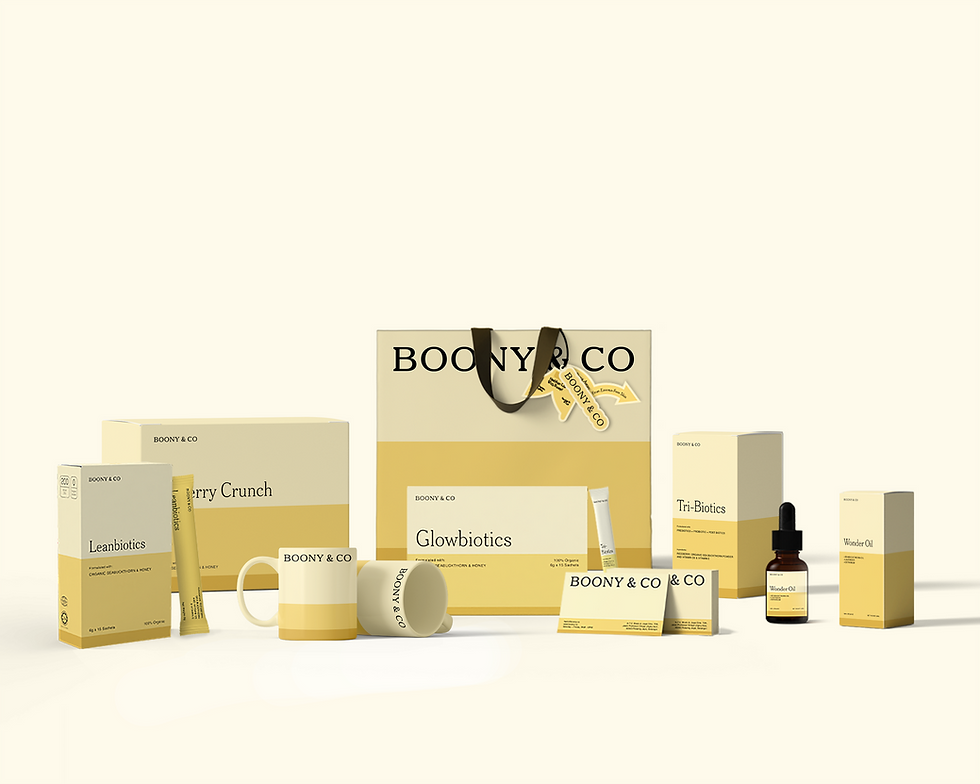
Step 5: Printing & Production — Where Brands Become Real
This is where brands stop being concepts and start living in the real world.
Depending on your business, this may include:
Packaging
Business cards & stationery
Signage
Uniforms
Menus, labels, stickers, collaterals
Good branding anticipates production:
Colours that print correctly
Logos that emboss or foil well
Materials that match brand positioning
A premium brand printed cheaply feels dishonest.A simple brand printed thoughtfully feels confident.
Step 6: Website (Optional, But Often Critical)
Your website is often your first serious impression.
A rebrand without updating your website creates friction:
New brand, old messaging
New visuals, outdated structure
New positioning, unclear offers
A brand-aligned website should:
Communicate your value in seconds
Speak directly to your ideal customer
Support conversion, not distract from it
Not every rebrand needs a website revamp — but every growing business eventually will.
Step 7: Launch — Don’t Just “Reveal”, Position
A brand launch isn’t about posting a new logo.
It’s about resetting perception.
A strong launch includes:
Clear explanation of why you rebranded
What changed — and what didn’t
How this benefits your customers
Consistent rollout across all touchpoints
When done right, a rebrand launch:
Re-introduces your business with confidence
Signals growth and maturity
Attracts better-aligned customers
Where Our Branding Packages Fit In
Most business owners don’t need “everything at once”. They need clarity, structure, and a system that fits their stage.
That’s why our branding packages are designed to:
Cover the entire rebranding journey
Remove guesswork
Deliver a ready-to-launch brand system
From strategy and identity to guidelines and launch support — you’re not just getting design, you’re getting direction.
If you’re serious about rebranding properly — not just refreshing visuals — this process is exactly how we work. Learn more about our branding packages here.


When marketing teams are rolling out a new brand, updating dynamic assets like website headers, presentations, and social media videos often requires clean, transparent footage to layer seamlessly over the new brand colors. If you need to quickly strip backgrounds from existing footage to integrate your new visual identity, using an AI tool to export alpha channels (like ProRes 4444 or transparent WebM) can save a ton of production time.
The reminder that strategy has to come before visual identity is especially useful—otherwise even polished design can feel disconnected from the business. For teams exploring image direction during that stage, an online tool for creating drawings from photos could be a practical way to test how photography might translate into a more distinctive visual language.
The reminder that strategy has to come before visual identity is especially useful—otherwise a rebrand can easily become surface-level decoration. Keeping messaging consistent across website graphics and campaign assets matters too, and tools that let teams edit text in photo can make those updates feel much more manageable.
Really insightful breakdown of the rebranding process! The emphasis on 'realigning with where you're going next' is so true. On a related note about discovering true alignment, if anyone loves exploring personal growth and ancient systems, I'd love to share a tool I recommend for converting birthdays into the Tzolk'in calendar to find your innate energies: https://mayanastrologycalculator.com/ Keep up the great content on business transformation!
wow that was a really meaningful thank you so much virtual pro